Source Garden Plant Climbing Wall Clip for Vines, Tomatoes, and Beans
Compare 30 listings for garden plant climbing wall clip options including tomato clips and vine clamps. Buyers can evaluate models like HD-2534 and SP-G131, review materials such as PE and galvanized steel, and check customization availability for various plant support needs.
Key considerations
Products List


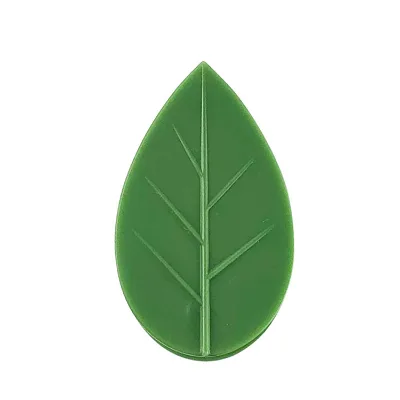
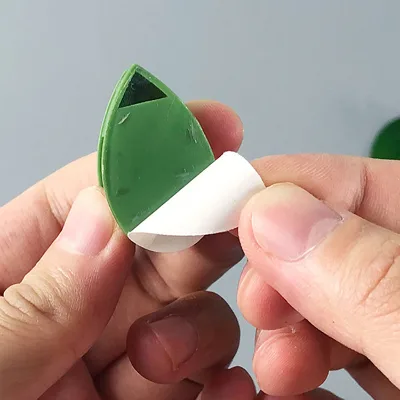
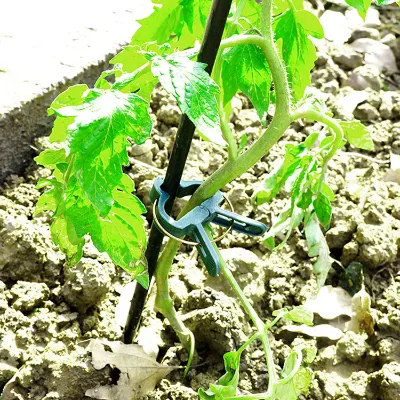
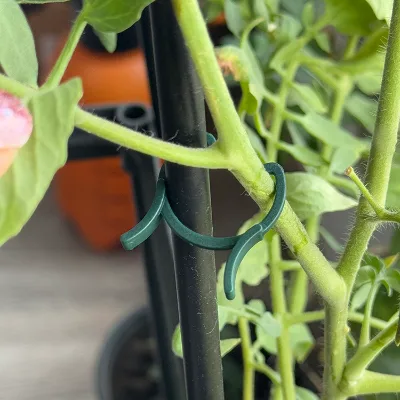
Comprehensive Sourcing Guide
Strategic Sourcing Guide for Garden Plant Climbing Wall Clips
Understanding Product Categories and Technical Specifications
When sourcing garden plant climbing wall clips, buyers must first navigate a fragmented market where terminology often overlaps with general gardening tools. The core product, frequently identified as plant support clips, tomato clips, or vine clamps, serves a singular function: to secure plant stems to vertical structures without causing damage. Based on available market data, these items are not monolithic; they exist in various configurations ranging from simple single-layer plastic sheets to multi-piece sets designed for specific agricultural applications.
The technical specifications for these clips vary significantly by manufacturer and intended use. Material composition is a primary differentiator. Some products are constructed from Polyethylene (PE), offering a balance of flexibility and durability suitable for general garden use. Others utilize plastic frames or plastic sheets, which may be selected for their lightweight properties. For more demanding environments, particularly where rot resistance is critical, buyers should look for options described as "rot proof" or those constructed from galvanized steel. The galvanized steel variant provides superior structural integrity for heavy vines or commercial farming applications, whereas plastic variants are often preferred for residential gardening due to their non-corrosive nature and ease of handling.
Dimensions and form factors are equally critical. Observed product standards indicate a wide range of sizes, from compact units measuring 13.561 cm to larger configurations like 50cm x 50cm or 40cm x 60cm. Some models are designated as "small" or "standard," while others offer "multi-size" capabilities to accommodate different stem diameters. The physical weight of the product is another key specification; individual units may weigh as little as 15 grams, while comprehensive sets can reach 180 grams. This variance suggests that procurement strategies must account for shipping costs, as lightweight items often have high volume-to-weight ratios that impact logistics.
Packaging standards also influence the selection process. Products are commonly shipped in cartons, which provide robust protection during transit, or in Polypropylene (PP) bags, which are cost-effective for bulk orders. Some premium or specialized sets may arrive in boxes, potentially indicating a higher level of product organization or a specific retail-ready presentation. The number of pieces included in a set is another variable, with some listings specifying 31-piece sets, which implies a complete kit for a specific gardening project rather than a bulk supply of individual clips.
Compliance, Certification, and Regulatory Standards
Navigating the regulatory landscape for garden tools requires a careful examination of certifications, particularly when sourcing from international markets. While many standard plastic clips are subject to minimal regulatory hurdles, products intended for commercial agriculture or those marketed with specific safety claims may require formal validation.
In the current market, certain product listings explicitly reference certifications such as CCC (China Compulsory Certification), ISO (International Organization for Standardization), CE (Conformité Européenne), and RoHS (Restriction of Hazardous Substances). The presence of these marks suggests that the manufacturer adheres to specific quality management systems and environmental standards. For buyers targeting the European market, the CE mark is often a mandatory requirement, indicating compliance with health, safety, and environmental protection standards. Similarly, RoHS compliance is crucial for ensuring that the plastic or metal components do not contain restricted hazardous substances, which is a common requirement for products entering the EU and other regulated markets.
However, it is important to treat these certifications as observations of specific supplier capabilities rather than universal attributes of all plant clips. Not every product in the "garden plant climbing wall clip" category will carry these marks. Buyers must verify the certification status on a per-supplier basis. For instance, while some models like the HD-2534 or SP-G131 may be associated with specific certification profiles, others may operate under general manufacturing standards without formal third-party validation.
Standardization in the industry is often informal, relying on trade conventions rather than rigid ISO standards for the clips themselves. The "prod_standard" field in product data often lists dimensions (e.g., 13.561CM) rather than a formal safety standard code. This indicates that the primary standard of compliance is dimensional accuracy and functional performance. Buyers should verify that the product dimensions match their specific trellis or wall system requirements. Furthermore, the HS code (Harmonized System) is a critical compliance tool for importers. A code such as 3296 may be associated with specific chemical or material classifications, though buyers must confirm the exact classification with their customs broker to ensure accurate duty assessment.
Cost Drivers and Pricing Dynamics
The pricing structure for garden plant climbing wall clips is influenced by a complex interplay of material costs, manufacturing complexity, and order volume. The observed price range in the market spans from $0.01 to $500, a vast disparity that reflects the diversity of the product category. This range likely encompasses single-unit purchases of basic plastic clips at the lower end to large-scale industrial sets or specialized galvanized steel systems at the higher end.
Material costs are a primary driver. Products made from PE or standard plastic are generally more affordable due to the low cost of raw polymers and high-volume injection molding capabilities. In contrast, galvanized steel clips involve more expensive raw materials and additional processing steps, such as galvanization to prevent rust, which naturally increases the unit cost. The "Eco-Friendly" advantage noted in some product descriptions may also command a price premium if it involves the use of recycled materials or biodegradable plastics, though this must be verified against the supplier's specific claims.
Order volume, represented by the Minimum Order Quantity (MOQ), is another significant factor. The market observes MOQs ranging from 1 to 200,000 units. For small buyers or those testing the market, an MOQ of 1 allows for low-risk sampling, but the unit price will be significantly higher. Conversely, large-scale buyers who can commit to orders near the 200,000-unit ceiling can leverage economies of scale to achieve the lowest possible unit costs. The packaging method also affects cost; bulk shipping in PP bags is generally cheaper than individual retail packaging in boxes, which adds labor and material costs.
Customization is a key variable in pricing. The availability of customization options, such as custom logos or specific color variations (e.g., green or customized colors), introduces additional setup costs. While standard products are mass-produced, custom orders require mold adjustments or specific production runs, which can impact the final price. Buyers should expect a price differential between standard "off-the-shelf" items and those requiring bespoke modifications.
Typical Applications and Usage Scenarios
The application of garden plant climbing wall clips is broad, extending from residential hobby gardening to large-scale commercial agriculture. The primary function of these clips is to support the stems of climbing plants, ensuring they grow vertically and efficiently. This is particularly vital for plants like tomatoes, vines, and other climbing varieties that require structural support to prevent breakage and maximize yield.
In residential settings, these clips are used in home gardens and greenhouses. The "Compact and Practical Design" of many models makes them ideal for small-scale trellis systems where aesthetics and ease of use are paramount. The "Green" color option is often selected for residential use as it blends seamlessly with foliage, maintaining the visual appeal of the garden. The "Single Layer" design is typically sufficient for light to medium-weight plants in these environments.
For commercial applications, the requirements shift towards durability and efficiency. The "Rot Proof" and "Galvanized Steel" attributes are critical here, as commercial farms often operate in humid or wet conditions where plastic degradation or rust could lead to crop loss. The "Widely Used for Various Plants" designation suggests versatility, allowing these clips to be deployed across different crop types, from tomatoes to cucumbers and beans. The "31 Pieces" sets mentioned in some listings are likely designed for specific, larger-scale projects where a complete toolkit is necessary for rapid deployment.
The "Power Source: Manpower" attribute indicates that these tools are manual, requiring no electricity or batteries. This makes them suitable for remote farming locations or areas with limited infrastructure. The "Garden Tool Set" application suggests that these clips are often part of a broader ecosystem of gardening equipment, used in conjunction with stakes, nets, and other support structures. The "Vines Clamp" functionality is specifically tailored for heavy vines that require a secure grip to prevent slipping, a feature that is essential for high-yield farming operations.
Supplier Evaluation and Sourcing Strategy
Evaluating suppliers for garden plant climbing wall clips requires a multi-faceted approach that goes beyond simple price comparison. Buyers should prioritize suppliers who can demonstrate a clear understanding of the specific technical requirements of their product line. The presence of diverse product models, such as HD-2534, SP-G131, SP-G840, and SP-G106, indicates that a robust supplier should have a catalog capable of meeting various customer needs.
Geographic origin is a significant factor in supplier evaluation. The majority of observed products originate from China, with specific hubs in Ningbo and Jiangsu. Ningbo is a major port city known for its logistics capabilities, which can facilitate efficient shipping. Jiangsu is a hub for manufacturing, suggesting a strong industrial base for these products. Buyers should verify the specific origin of their order, as this can impact lead times and shipping costs.
Supplier reliability can be assessed by examining their customization capabilities. The availability of customization options, including logo printing and color variations, suggests a supplier with flexible production lines. However, buyers must ensure that the customization process does not compromise the quality of the base product. The "Eco-Friendly" advantage should be verified through documentation, as this claim can be a differentiator in the market.
Logistics and packaging are also critical evaluation criteria. Suppliers offering both carton and PP bag options provide flexibility for different shipping needs. Buyers should assess the supplier's ability to handle large volumes, given the observed MOQs up to 200,000 units. A supplier capable of managing such volumes without quality degradation is essential for large-scale procurement.
Quality Control and Long-Term Procurement Considerations
Quality control is paramount when sourcing garden plant climbing wall clips, as the failure of a clip can result in crop loss. Buyers should implement a rigorous quality assurance process that includes material verification, dimensional checks, and functional testing. The material composition, whether PE, plastic, or galvanized steel, must be consistent with the product specifications. For galvanized steel, the thickness of the galvanization layer should be verified to ensure long-term resistance to rust and corrosion.
Dimensional accuracy is another critical quality metric. The product standards, such as 13.561CM or 50cm x 50cm, must be strictly adhered to. Buyers should request samples to verify that the clips fit their specific trellis systems and that the "multi-size" or "standard" designations are accurate. The weight of the product, ranging from 15g to 180g, should also be consistent to ensure that the supplier is not cutting corners on material usage.
Long-term procurement considerations involve building a sustainable supply chain. Buyers should look for suppliers who offer consistent quality over time and who can scale production as demand grows. The "Customization: Available" attribute suggests that suppliers are willing to adapt to changing market needs, which is a positive sign for long-term partnerships. However, buyers must ensure that customization does not lead to quality inconsistencies.
Environmental sustainability is becoming an increasingly important factor in procurement. The "Eco-Friendly" advantage and the use of materials like PE, which can be recycled, should be leveraged to meet corporate sustainability goals. Buyers should inquire about the recyclability of the packaging materials, such as cartons and PP bags, to minimize environmental impact.
Finally, buyers should consider the total cost of ownership, which includes not just the purchase price but also shipping, storage, and potential replacement costs. High-quality clips that last longer and require fewer replacements can offer better value over time, even if the initial unit cost is higher. By focusing on quality, compliance, and supplier reliability, buyers can secure a steady supply of garden plant climbing wall clips that meet their specific needs and support their agricultural or gardening operations effectively.
FAQs
What materials are used for garden plant climbing wall clips?
Clips are made from Polyethylene, plastic frames, or galvanized steel. Plastic options offer flexibility for residential use, while galvanized steel provides rot resistance for commercial farming applications.
Which certifications should I look for in these clips?
Some products carry CCC, ISO, CE, and RoHS certifications. These marks indicate compliance with safety and environmental standards, particularly for buyers targeting regulated markets like the European Union.
How does the MOQ vary for these garden clips?
Minimum Order Quantities range from 1 to 200,000 units. Lower MOQs allow for sampling, while larger orders leverage economies of scale to reduce the unit price significantly.
Can I customize the color or logo on these clips?
Customization is available for colors and logos. Buyers should expect setup costs for bespoke modifications, as standard items are mass-produced without these specific features.
What are the typical dimensions for these plant support clips?
Sizes vary from compact 13.5 by 6 by 1 cm units to larger 50 by 50 cm configurations. Some models offer multi-size capabilities to accommodate different stem diameters effectively.
Where are these clips typically manufactured?
Products originate primarily from China, with hubs in Ningbo and Jiangsu. Ningbo offers strong logistics capabilities, while Jiangsu provides a robust industrial manufacturing base.